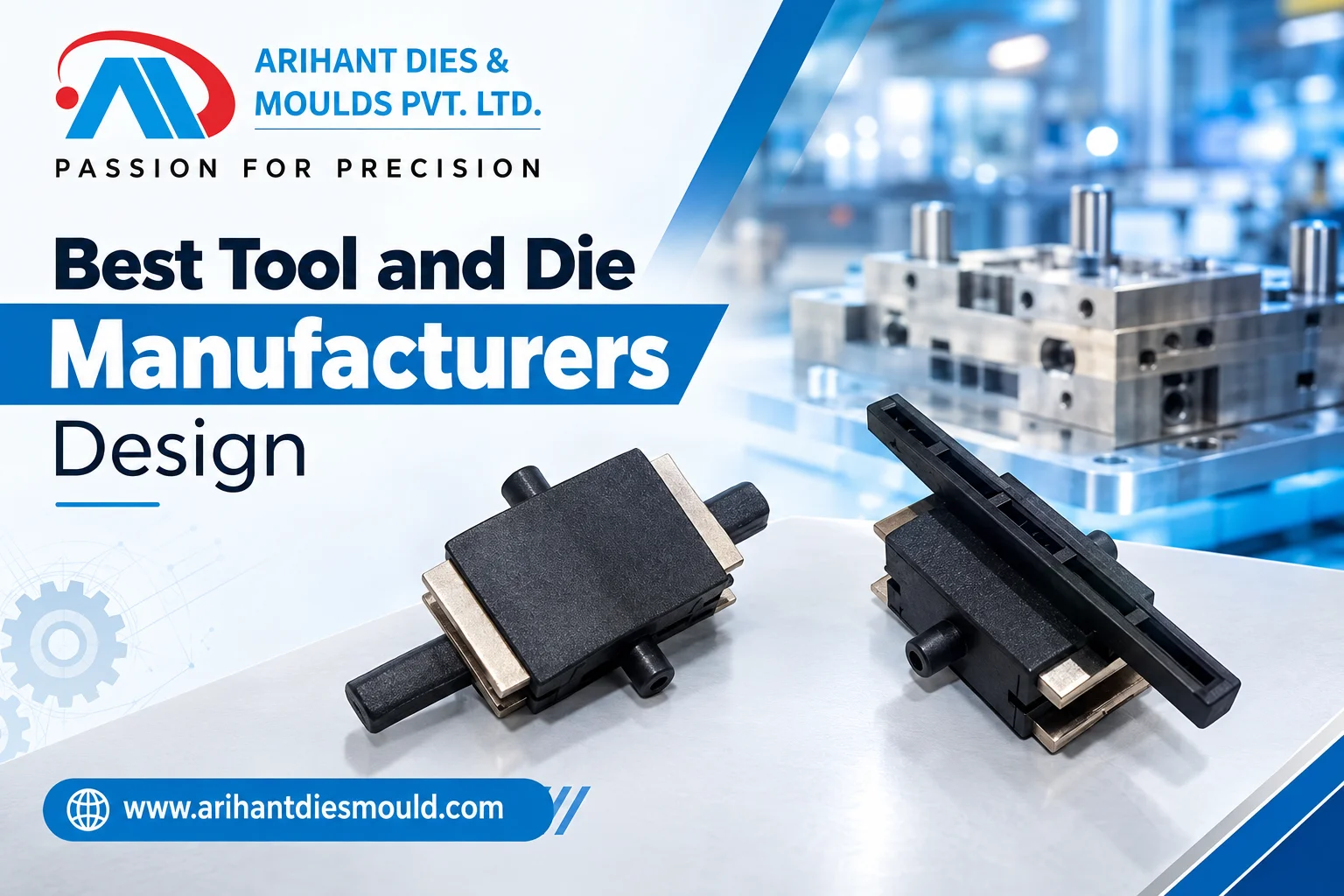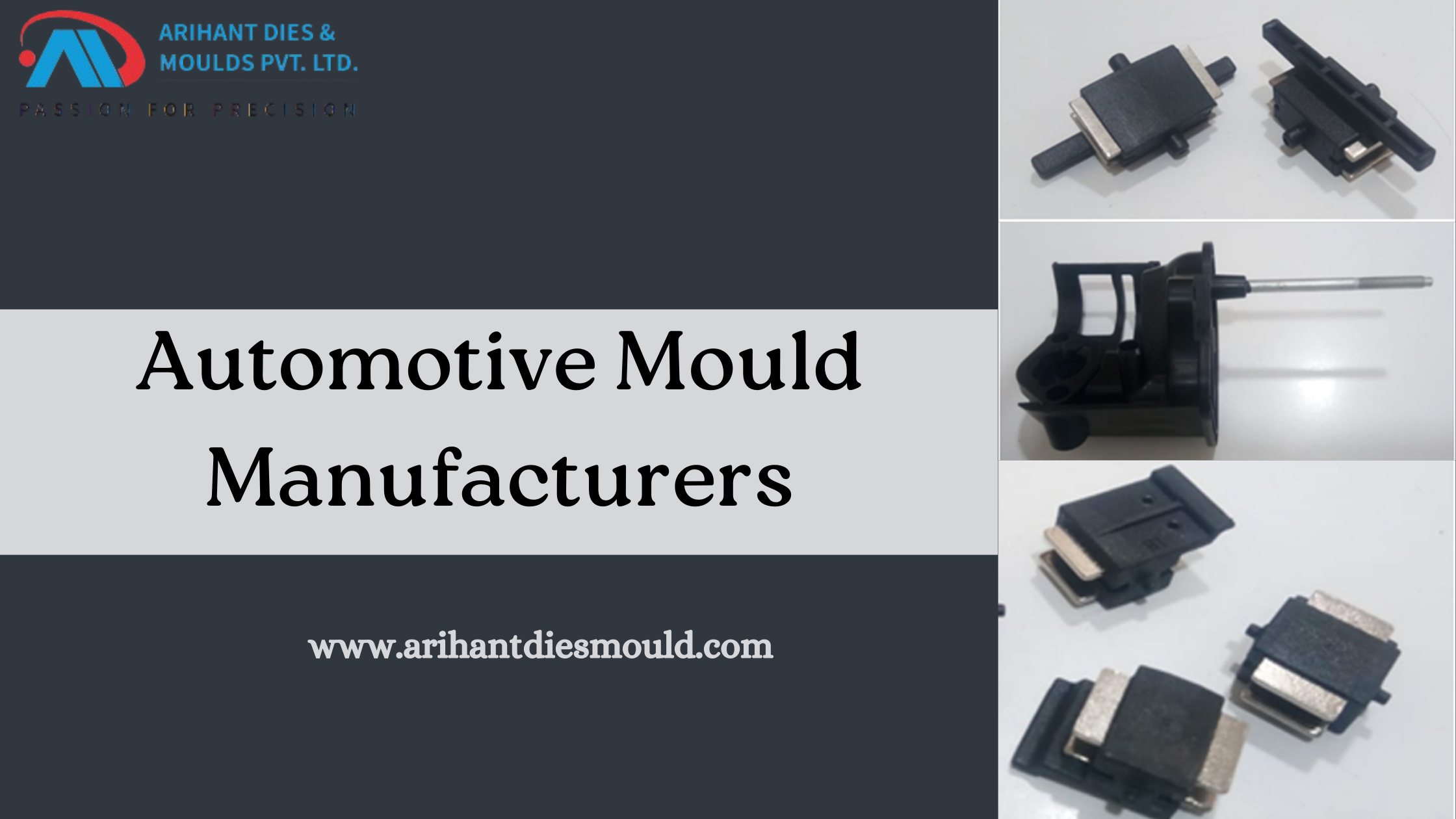
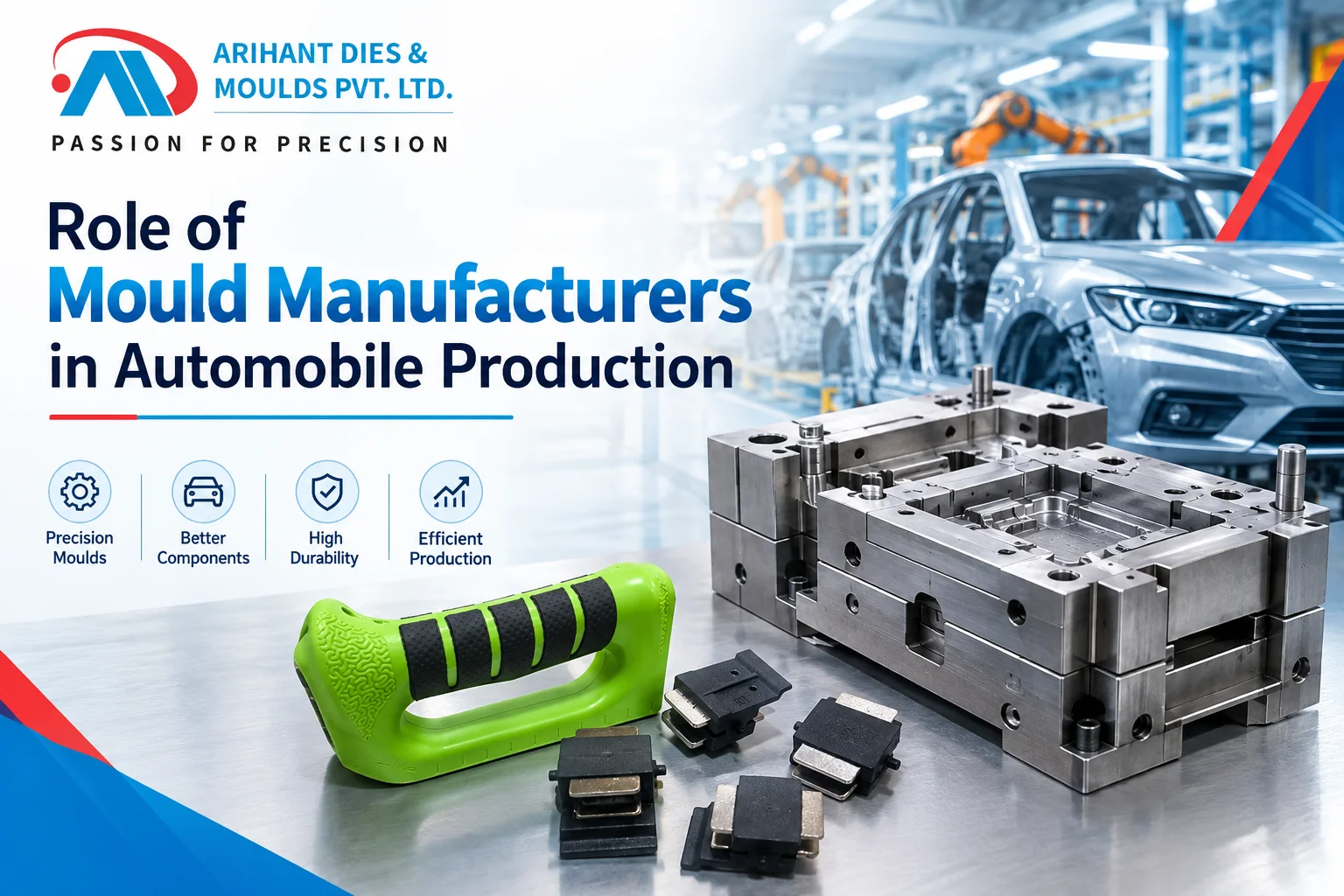
Automobile manufacturing is complex, with diverse kinds of components assembled in countless designs. In designing a vehicle, several aspects like performance, durability, energy efficiency, etc. are to be considered, but one important factor is weight. And there is no better lightweight material with an excellent weight-to-strength ratio than plastic. The automotive mould manufacturers are crucial for the automobile sector as they create injection-moulded components that are light, effective, and made with intricate designs.
Why Mould Manufacturing Is Integral in Automobile
Moulds are responsible for allowing the creation of plastic parts with specified dimensions. Moulding is most suitable for producing fairly complicated geometries, finishing surfaces with a specified detailed design and obtaining any type of component required for assembly in a vehicle. This technology enables the production at large volumes. As soon as the developed mould is fully approved, the manufacturer is able to produce an unlimited amount of components of similar dimensions. The latter helps car manufacturers maintain assembly accuracy, calculations of required materials and production schedules. The production of desirable plastic parts may allow for the acquisition of one part that fulfills the function of several other parts separately produced.
How The Manufacturers Support Automobile Companies
Custom Component Development
Custom component development refers to parts that must fit in certain models of vehicles. Different manufacturers deal with blueprints, CAD drawings, and technical specs in order to produce necessary molds. When creating the design, wall thickness and other aspects are considered.
Consistent Quality and Production
Quality assurance is vital when dealing with moldings since they must fit well with other parts of the car. Therefore, automotive mould manufacturers use different methods to test whether there are any defects and check measurements during the process of manufacturing.
Production Planning and Material Selection
Manufacturers help in making decisions concerning which types of polymer material should be used based on the purpose of plastic parts. Factors such as heat resistance, impact strength, flexibility, and impact exposure affect their choice.
Applications of Automotive Moulded Components
Automotive molded components are used in various parts of vehicles:
Interior components: Dashboard panels, door trims, centre consoles, parts of the instrument panel and containers.
Exterior components: Bumpers, grilles, casings for mirrors, protector housings, and selected parts of the body trim.
Under-the-hood applications: Fluid tanks, air intake parts, protector casings, and selected parts of the engine compartment made of heat-resistant materials.
Electrical components: Casings for connectors and other wires, housings for switches, and enclosures of selected electronic systems.
Conclusion
The choice of moulding partner can determine the components’ quality, stability in their production process, and vehicle assembly effectiveness. When automobile companies are looking to find automotive mould manufacturers, there are certain aspects they should consider such as the expertise of the manufacturer in producing different types of materials, their capability of custom tool making, and their quality checking abilities. With the proper application of this experience, the manufacturer should be able to produce parts that suit the needs of different car types, thus ensuring that the manufacturing process is above board, starting from the prototype and ending with the final production. Arihant Dies and Moulds is one of the best manufacturers of automotive moulded components. Many car manufacturers rely on this company for their respective needs.
FAQs
Automotive moulded components are those developed by the injection moulding process for interior, exterior and other functional systems.
Our injection moulding process uses PP, ABS, polycarbonate, polyamide, and other plastics for automotive parts.
Yes, our engineers provide custom solutions to the needs of the automotive industry.
When the product is completed, we check the component for defects, dimensional accuracy, durability, and chemical properties.