Mistakes in production can cause variation in dimensions, material losses, component rejections, and costly machine downtime. Many such cases take place at the tools’ creation stage. Capable tool and die manufacturers account for component geometry, material properties, and tolerances during operation processes. Precise design minimizes the risk of repeating mistakes and enables consistency.
What is Tool and Die Manufacturing?
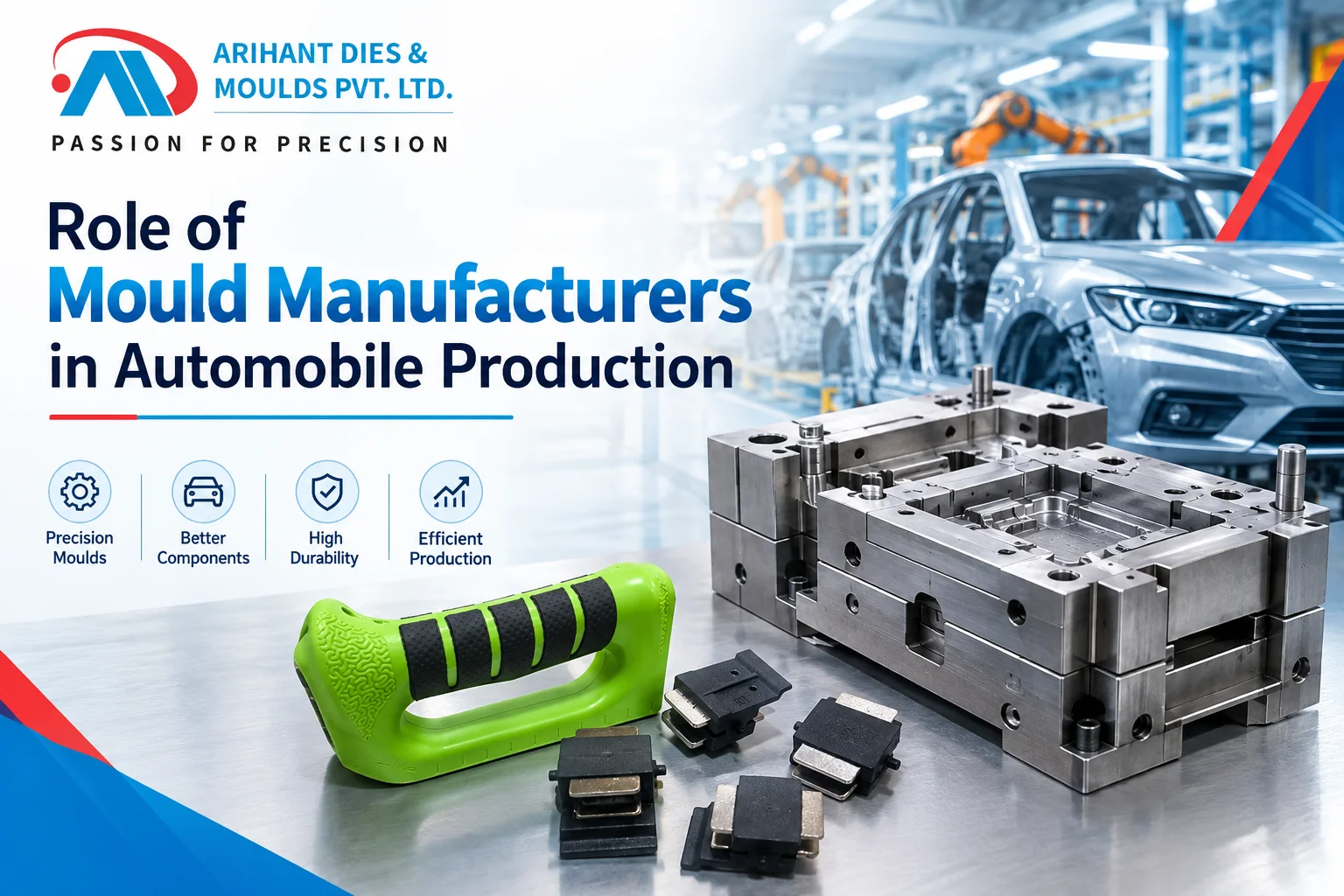
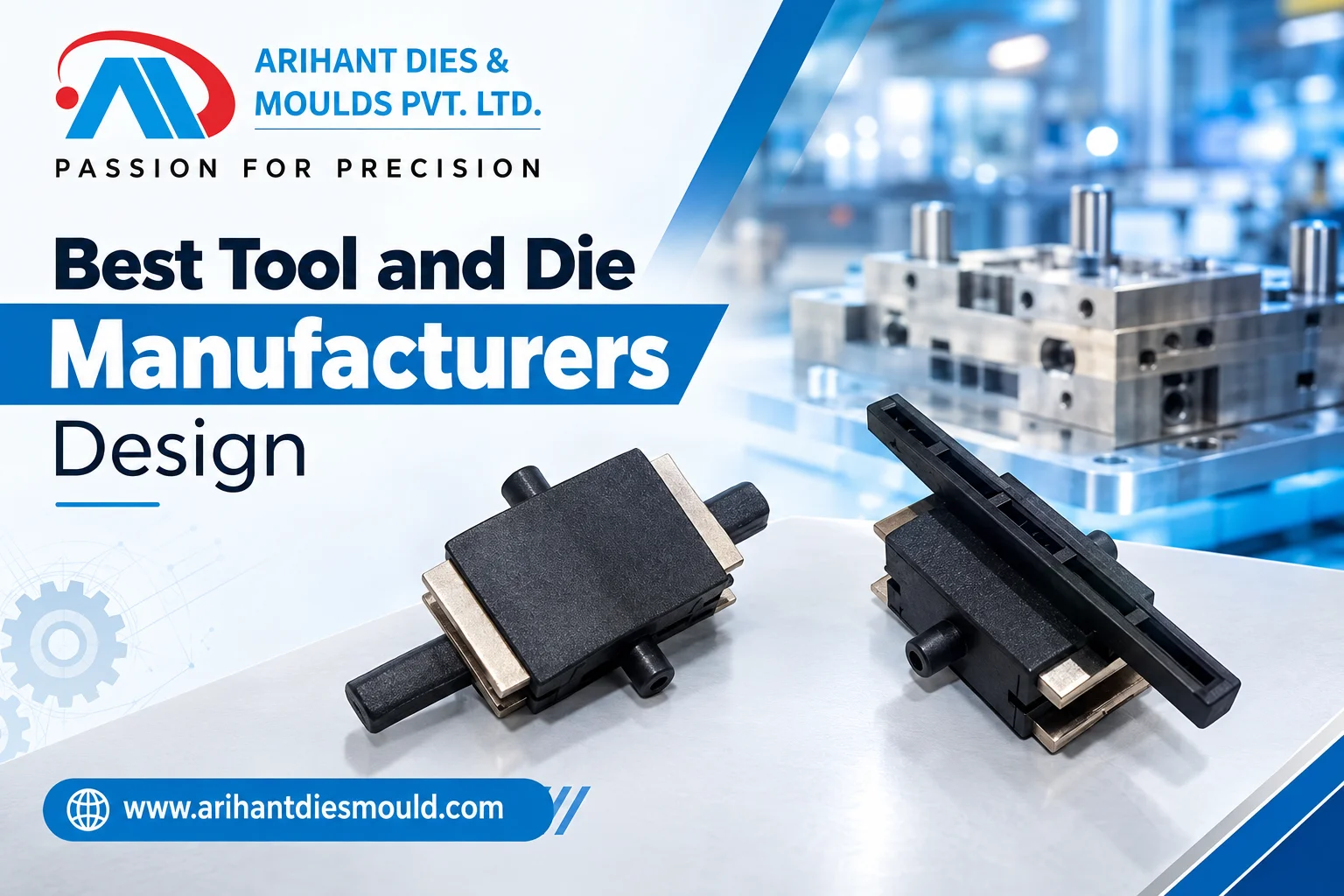
Tool and die manufacturing means the production of special tools which are used in cutting, forming, shaping and molding various materials into necessary pieces. The tools may include stamping dies for sheet metal parts or injection molds for plastics. The process consists of several steps, starting from computer-aided design and selection of materials and ending with machining, assembling, and testing.
Tool Design That Reduces Manufacturing Defects
Accurate Geometry and Tolerance Management
Tool and die manufacturers transform part designs into accurate tools. Errors in sizes, too-small spacing between elements, or discrepancies between parts may result in faulty components and assembly problems. Critical sizes and tolerances set during the design stage guarantee compliance of the produced elements.
Material Flow and Tool Operations
Gate positioning, runner construction, venting, and cooling system layouts of injection moulds play a key role in material filling, contraction, and distortion. The spacing between the die and the punch of sheet metal dies, their action patterns, and the material return must be carefully inspected. Attention to these points in the design stage reduces the number of short shots, distortions, flashes, spoilage, and inconsistencies in sizes.
Validation Before Production
Reviews of CAD projects and modeling enable identification of the places where design conflicts can arise, filling problems, and bad design. Analysis of the tool assembly, accessibility, and production capability can reduce rework during production and launch.
Design Capabilities of Arihant Dies and Moulds
Our team of designers and engineers creates plastic moulds and sheet metal tools in various engineering sectors such as automotive, electrical, electronics, etc.
CAD/CAM Design and Engineering
Our engineering experts have undergone advanced training and know how to use advanced design tools like NX Mould Wizard, VISI CAD/CAM and ZW-CAD. We can work with IGES, Parasolid, and STEP files based on customer requirements. Our competence includes Design for Manufacturing (DFM), Advanced Product Quality Planning (APQP), product design based on scanned images of a product, and engineering assistance in developing manufacturing tools.
Simulation, Validation and Reverse Engineering
We can also provide design validation and optimization through flow simulation and mold flow analysis. These techniques allow evaluating material flow and finding possible problems in the process of mold making before production starts. We can also do rapid prototyping and reverse engineering.
Conclusion
With effective geometry design, evaluation of material flow, control of tolerances, and validation of the design process, it is possible to avoid any defects prior to the fabrication of the product. At Arihant Dies and Moulds, we put together our powerful technological know-how and our creative design skills to create tooling solutions for the manufacturing industry. If you are looking for tool and die manufacturers for your new project, get in touch with us to discuss your tooling and manufacturing project.
FAQs
A tool refers to a small piece of equipment in the process of manufacturing goods, while a die is a device specifically made to trim, shape, and mold materials into a particular product.
Our services include engineering design, CAD/CAM services, design of plastic injection molds, the design of metal sheet tools, reverse engineering, rapid prototyping, and design validation.
For developing a custom tool or die, share drawings or CAD files of the parts, material specifications, dimensions, and production quantity.
Tool steels, alloy steels, and hardened steels are most commonly used in this process. The choice of steel relies on the application of the tool, its wear resistance, and the operation method used.
A tool trial is a test of the tool within its working environment to assure it works effectively and changes are recommended before any approval for production.